Sweet Strategies for Wellness: Navigating Cancer with Care and Community
In the heart of every cancer journey lies a common thread: the quest for wellness. Navigating the twists and turns of a cancer diagnosis can often feel overwhelming. But what if we told you there’s a way to empower your healing process with a holistic approach? Think of it as your personalized roadmap to wellness—complete with support from the community and a focus on nutrition for cancer patients. For many, these elements serve as a refreshing contrast to the stark confines of traditional oncology. In this wellness blog, we will delve into the world of holistic cancer care, and highlight actionable cancer health tips to help reclaim your life amidst the whirlwind of treatment. Are you ready to take charge of your journey?
When discussing holistic approaches, we must recognize the power of community. Cancer support groups can be a lifeline for patients and caregivers alike. They provide a safe space for sharing cancer survivor stories, from triumphs to tribulations. Embracing the companionship of others who understand your plight can be incredibly uplifting. Have you ever considered how much strength lies in shared experiences? Those moments of connection can pave the way for healing not just physically, but mentally as well. Leaning on your cancer community support might just be the sweet cream pie dessert you didn’t know you needed—comforting and satisfying in the toughest of times.
Education plays a vital role in cancer care. Through cancer education, patients can better understand their cancer treatment options, empowering them to make informed decisions. The latest cancer research reveals fascinating insights into effective lifestyle changes for cancer survivors. What if I told you that eating a balanced diet rich in whole foods could not only soothe your body but also boost your chances of recovery? That's right! Nutrition for cancer patients is more than a trend; it's a powerful tool—one that pairs well with traditional treatments and helps fortify the body during trying times.
As you implement these strategies, remember that mental health and cancer are intricately linked. The emotional toll of a cancer diagnosis cannot be understated; it’s essential to prioritize self-care. Engaging in mindfulness practices, seeking therapy, or simply enjoying moments of joy can vastly improve your mental resilience. Cancer awareness campaigns often highlight the importance of mental wellness, reminding us that healing is a multi-dimensional journey. Are you taking a moment each day to nurture your spirit? Because your mental well-being deserves as much attention as your physical health.
The road to recovery is rarely straightforward, but by harnessing a combination of cancer prevention strategies, community support, and nutritional wisdom, you can cultivate a robust wellness plan. Familiarize yourself with patient advocacy in cancer—empowering yourself and others with the right tools and information to navigate this complex landscape. With a willingness to explore holistic cancer care methods and a supportive network cheering you on, you are not just surviving; you are thriving. Remember, each step you take toward wellness is a sweet victory worth celebrating, so what will your next step be?
Nourish & Flourish: The Role of Nutrition and Community in Cancer Recovery
In the realm of oncology and holistic cancer care, nutrition and community are paramount, especially when we discuss recovery and wellbeing. Picture this: a community of individuals coming together, sharing their stories, and creating an environment filled with love, support, and nutritious food that nourishes both body and soul. This is the crux of what it means to nourish and flourish. When it comes to cancer health tips, it’s no longer just about the medications and treatment options; it’s also about fostering healthy relationships and establishing a nurturing environment for healing. So, how can we weave nutrition and community into the journey of cancer recovery?
Nutrition for cancer patients is often a complex journey; it can feel like navigating a maze. Understanding what to eat and what to avoid can be overwhelming amidst the flurry of cancer information out there. With a dash of creativity, you might explore nutritious yet delightful recipes, perhaps even sweet cream pie desserts made from wholesome ingredients that keep spirits high while providing essential nutrients. After all, who says that healing has to be devoid of pleasure? Let’s turn food into an ally, serving nourishment while eliciting smiles and fostering connections with those around us. Remember, the goal of cancer prevention strategies is not just to fight, but to thrive!
Community plays an equally pivotal role in recovery, often offering perspectives that resonate deeply with our personal experiences. Engaging in cancer support groups can be a game changer; these are spaces where cancer survivor stories thrive, where vulnerability meets strength. Have you ever attended one of these gatherings? The air teems with understanding, compassion, and even laughter — a testament that healing can flourish in the face of adversity. The bonds created here often extend beyond shared illnesses, cultivating friendships that might otherwise never have bloomed. Are you ready to dive into the cancer community support that exists in your area?
In addition to connecting with community members, tapping into cancer caregiving resources is invaluable. These resources can provide practical guidance and emotional support for families facing cancer together. And let’s not forget the impact of mental health and cancer — understanding that a positive mindset nurtured by community can significantly influence recovery outcomes. As you embark on your journey, consider how lifestyle changes for cancer survivors can shift not just your perspective but also your long-term health. What practices can you incorporate into your daily routine that promote mental and physical wellness?
Finally, staying updated on the latest cancer research not only empowers us but enriches our conversations within our communities. Advocacy for patients is a powerful tool; it ignites conversations about emerging treatments and makes us aware of cancer awareness campaigns that aim to educate others. By sharing valuable cancer diagnosis insights and knowledge about nutrition, we create a culture of informed individuals ready to conquer the challenges that cancer presents. Ultimately, the path to recovery flourishes beautifully when we nourish not just our bodies, but also our hearts and minds in community.
Survivor Stories and Support: Building a Network for Mental and Emotional Strength in Cancer Journeys
In the realm of cancer survivorship, stories hold immeasurable power. Every journey is marked by battles fought against physical limitations and emotional turmoil, and therein lies the importance of community. Being part of a network during your cancer journey can often provide the mental and emotional strength you need to navigate the storm. As you read through these survivor stories, you may find pieces of yourself reflected back, reminding you that you are not alone in your journey. How can we create a support system that is both uplifting and nurturing? Let's explore this together.
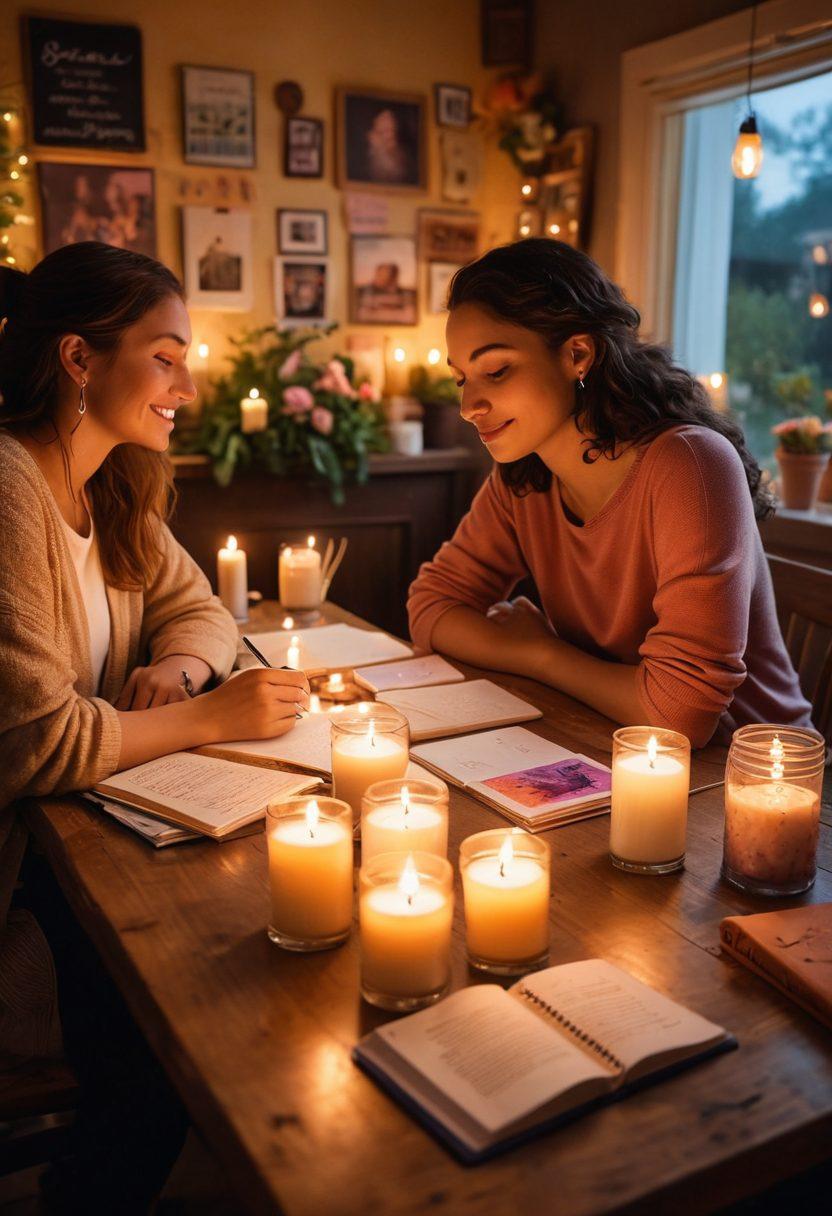
Picture this: you’re sitting in a cozy room filled with laughter, the scent of sweet cream pie desserts wafting through the air. You may think it’s a gathering for a baking class, but it’s actually a cancer support group meeting. In this space, survivors, caregivers, and advocates share their triumphs and sorrows, embracing vulnerability and resilience. The quote, 'Your present circumstances don’t determine where you can go; they merely determine where you start' rings true in these moments. Each story told not only showcases different cancer diagnoses but also highlights unique coping mechanisms, making cancer health tips more relatable and actionable.
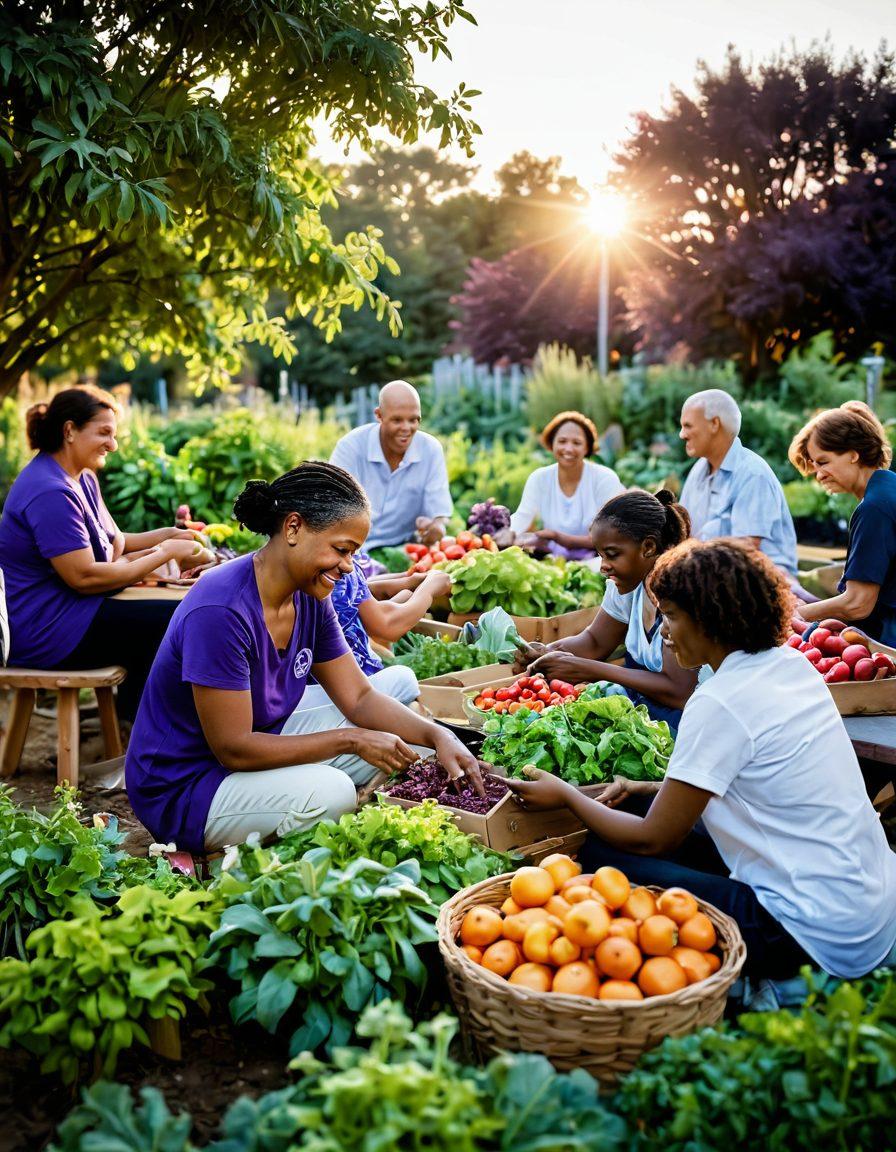
As we sift through the various cancer survivor stories, we uncover a tapestry of experiences that speak to the human spirit. One survivor shared how a gardening club solidified their support group, turning a solitary pastime into a community endeavor. Gardening became an activity that nurtured both their mental health and their body, showcasing the powerful relationship between nutrition for cancer patients and emotional well-being. How are you nurturing your mind and body amidst adversity? Learning to cultivate your own ‘garden’ of support can reap rewards in unimaginable ways.
Joining cancer community support groups often evokes feelings of comfort and understanding. Whether you are a patient, a caregiver, or a friend, engaging with others who understand your plight can provide a vital lifeline. Here lies the crux of cancer education—understanding that each individual’s journey is unique, yet the emotions they navigate are inherently similar. As we discuss various cancer treatment options and the latest cancer research, it becomes evident that building these networks can lead to greater patient advocacy in cancer, allowing for informed choices in our cancer journeys.
In the end, the advocacy extends even beyond individual experiences. Cancer awareness campaigns often highlight the importance of having a solid support system right from the moment of diagnosis. This community provides insights not only about managing treatment but encourages lifestyle changes for cancer survivors, ultimately forging a path toward holistic cancer care. The intertwining stories of triumph, loss, and support collectively signify hope. So the next time you’re in need of guidance, seek out that network of survivors and advocates; it might just be the compass you need.